Weaving backstory into fiction shows us who your characters are
Backstory is essential in fiction. It gives your characters depth, provides context for their actions, and creates emotional resonance.
But poorly handled backstory, especially when dumped in large chunks, can stall pacing, break immersion, and alienate your reader.
Instead of halting the narrative to explain a character’s past, skilled writers integrate backstory through sensory comparisons, internal reflections, and character-driven observations.
This subtle approach keeps the story in motion while revealing vital information in a natural, engaging way.
Why Readers Care About Backstory (Even When They Don’t Realize It)
Fiction readers don’t need a full biography of your character upfront, but they want to understand what makes your characters tick.
Backstory reveals:
- Motivations: Why a character fears commitment, hates crowds, or distrusts authority.
- Emotional context: Why a loss hurts so deeply or a victory matters so much.
- Relational dynamics: How characters relate to one another based on shared (or hidden) histories.
- Cultural, religious, or socioeconomic background: Which affects how they perceive the world and interact within it.
But readers want this information organically. Show, don’t tell.
Let’s look at how you can deliver powerful backstory through description and comparison, without pausing the story for an explanation.
Using Comparisons to Suggest Backstory
When your point-of-view character describes a room, a person, or a smell by comparing it to something from their past, you invite the reader into their world while layering in character history.
Examples:-
The living room was the size of her mother’s boudoir.
This tells the reader Mary’s mother was wealthy and perhaps vain, without saying it outright.
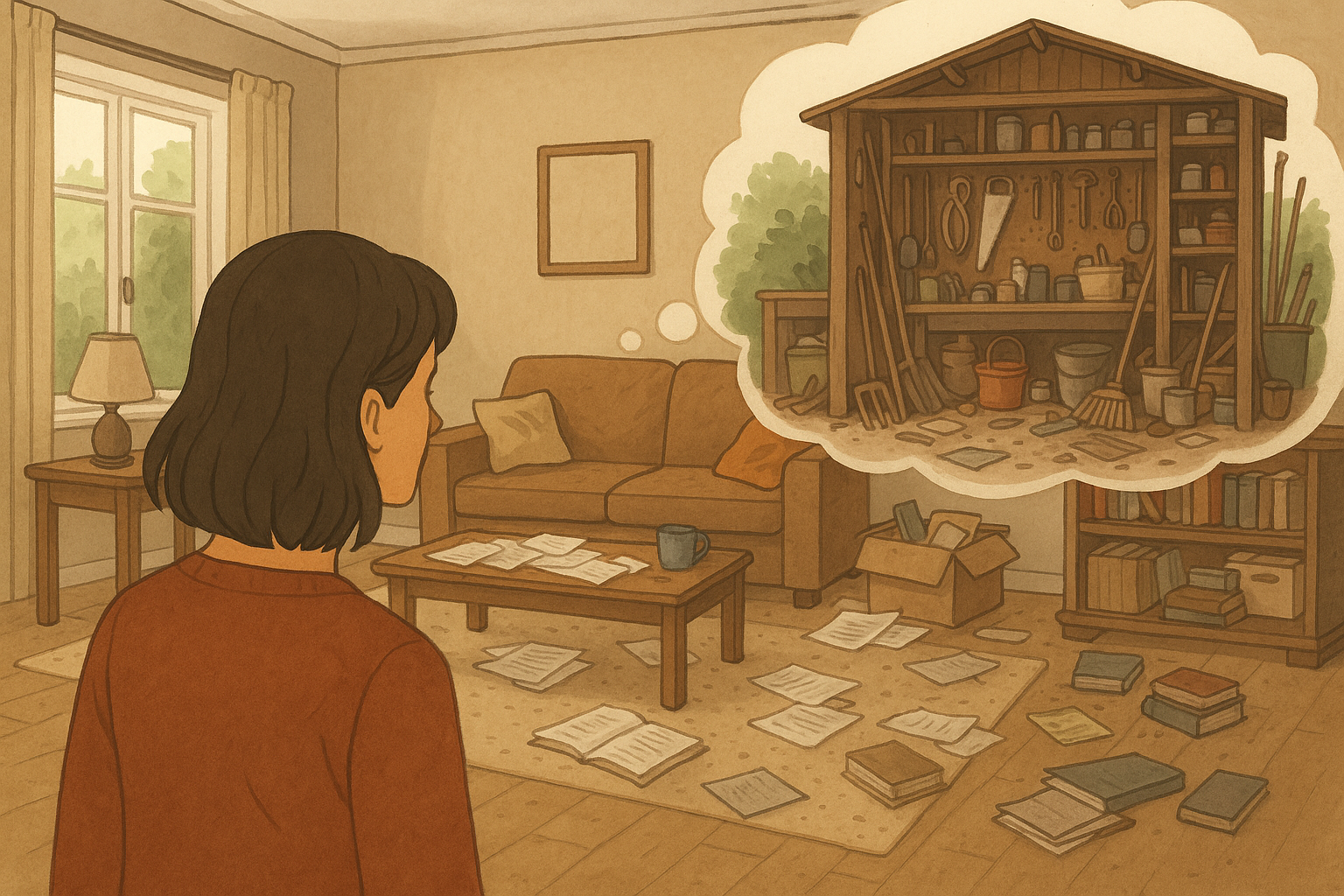
The living room was as cluttered as her husband’s garden shed.
We learn Mary is married, her husband has his own space, and he’s a bit of a mess.
The curtains and cushions were deep red, like a priest’s robe at Palm Sunday Mass.
This implies Mary is a practicing Catholic and familiar with religious rituals.
The curtains and cushions were black, like her brother’s bedroom during his Goth phase.
We discover Mary has a brother; he’s likely younger, and the two share a personal history.
Each of these sentences accomplishes two things: it paints a vivid picture and slips in a detail about Mary’s life—without ever “telling” the reader directly.
Using Similes to Show Character Background
Similes grounded in a character’s personal experience help the reader understand both what’s being described and who the narrator is.
People, Voices, and Smells
The man reeked like a stray dog on a rainy day.
Suggests Mary knows what a wet dog smells like, maybe she’s a dog owner or grew up with pets.
He smelled musty, like clothes that had been too long in the washing machine before drying.
Mary’s done laundry, perhaps often, perhaps reluctantly.
Her voice sounded like a worn-out bagpipe.
Implies Mary’s heard bagpipes in person, not just recordings—maybe she lives where they’re common or has a personal connection to them.
Her voice sounded like a church organ warming up.
Again, a hint at churchgoing habits or childhood memories.
He stuttered like a washing machine near the end of its cycle.
Mary spends time around household appliances, maybe she’s domestic, practical, or from a working-class background.
She had a smooth, smoky voice, like a late-night radio presenter.
This detail tells us Mary stays up late—maybe from insomnia, night shifts, or loneliness.
These similes double as windows into the narrator’s world, providing meaningful insight through what they notice and how they describe it.
Backstory Isn’t a Flashback—It’s Context in Motion
Instead of pausing the plot for lengthy flashbacks or exposition, backstory can—and should—emerge through the lens of the POV character’s perception. What they notice, compare, or associate things with tells the reader about them without interrupting the narrative flow.
This method is ideal for conveying:
- Emotional wounds or past traumas
- Familial relationships
- Cultural upbringing
- Unspoken desires or regrets
It’s efficient, engaging, and most importantly, it respects the reader’s intelligence. Let them put the puzzle pieces together.
Final Tips for Seamless Backstory Integration
- Filter all descriptions through the POV character’s biases and experiences.
Their personal history shapes what they observe—and how they interpret it. - Use metaphors and similes that reveal background.
These are goldmines for subtle backstory. - Avoid stopping the story to explain.
Trust the reader to infer and follow. - Make every detail do double duty.
If you’re describing a room, a person, or a smell—use that moment to reveal something about the character, too.
Backstory should be like seasoning. Not dumped in all at once, but sprinkled throughout to enrich the flavor of your story.
When you embed a character’s past within their present experience, you create a richer, more intimate reading experience.
Your characters come alive not because you told us who they are, but because they showed us.