-

Purple Prose Versus Flowery Prose Is There a Difference?
When and When Not to Use Purple Prose and Flowery Prose in Your Writing As an author, you want your words to dazzle your readers, paint vivid pictures, stir deep emotions, and bring your stories to life. However, the effort to create pleasing writing may exceed boundaries. The result? Bloated, ornate writing that slows down…
-

How to Create Gripping Action Without Neglecting Character Development
Balance high-stakes drama with emotional depth to keep readers invested How do you decide on the perfect action to open your scene? How do you balance the right amount of information not to bore or confuse your readers, while simultaneously raising intrigue that makes them want to read on? When it comes down to it,…
-

Main Characters and Protagonist: Understanding the Difference
How deep character understanding shapes conflict, growth, and emotional resonance I cannot emphasize this enough. When writing fiction, always remember, your reader comes first. You must care more about your readers, then yourself. And the only way to do that is by creating an unforgettable main character and protagonist. You maybe asking round about now,…
-

Character Driven vs. Plot Driven
How Internal and External Forces Shape Your Protagonist’s Journey In fiction, all stories have structure—but what drives that structure differs depending on whether your novel is character-driven or plot-driven. Understanding this distinction helps you craft a story that feels purposeful and emotionally satisfying. What Is a Character-Driven Story? In a character-driven novel, the most momentous…
-

Mastering Body Language in Deep POV: How to Show Emotion Without Telling
Use Subtle Cues and Visceral Reactions to Deepen Character Perspective and Reader Immersion Why Body Language Matters in Deep POV… In deep point of view (POV), readers experience the story through the eyes, mind, and body of your character. You don’t tell the reader what the character feels. You show it by revealing thoughts, sensations,…
-

Inside Their Head: Mastering POV with What Your Character Knows
Stay grounded in your character’s perspective while weaving in external clues that enrich your story Show Only What Goes on Inside Your POV Character’s Head In deep point of view (POV), readers live inside your character’s mind. They see the world through your character’s eyes, hear what they hear, and feel what they feel. That…
-

Writing Fictional Characters with Authentic Voice and Perspective
How Age, Education, and Language Shape Deep Point of View in Fiction When writing in deep point of view (POV), everything in the narrative is filtered through your character’s mind—including language, perception, and internal reactions. To create authentic and believable characters, it’s essential to consider how their age, education, and linguistic background shape their inner…
-
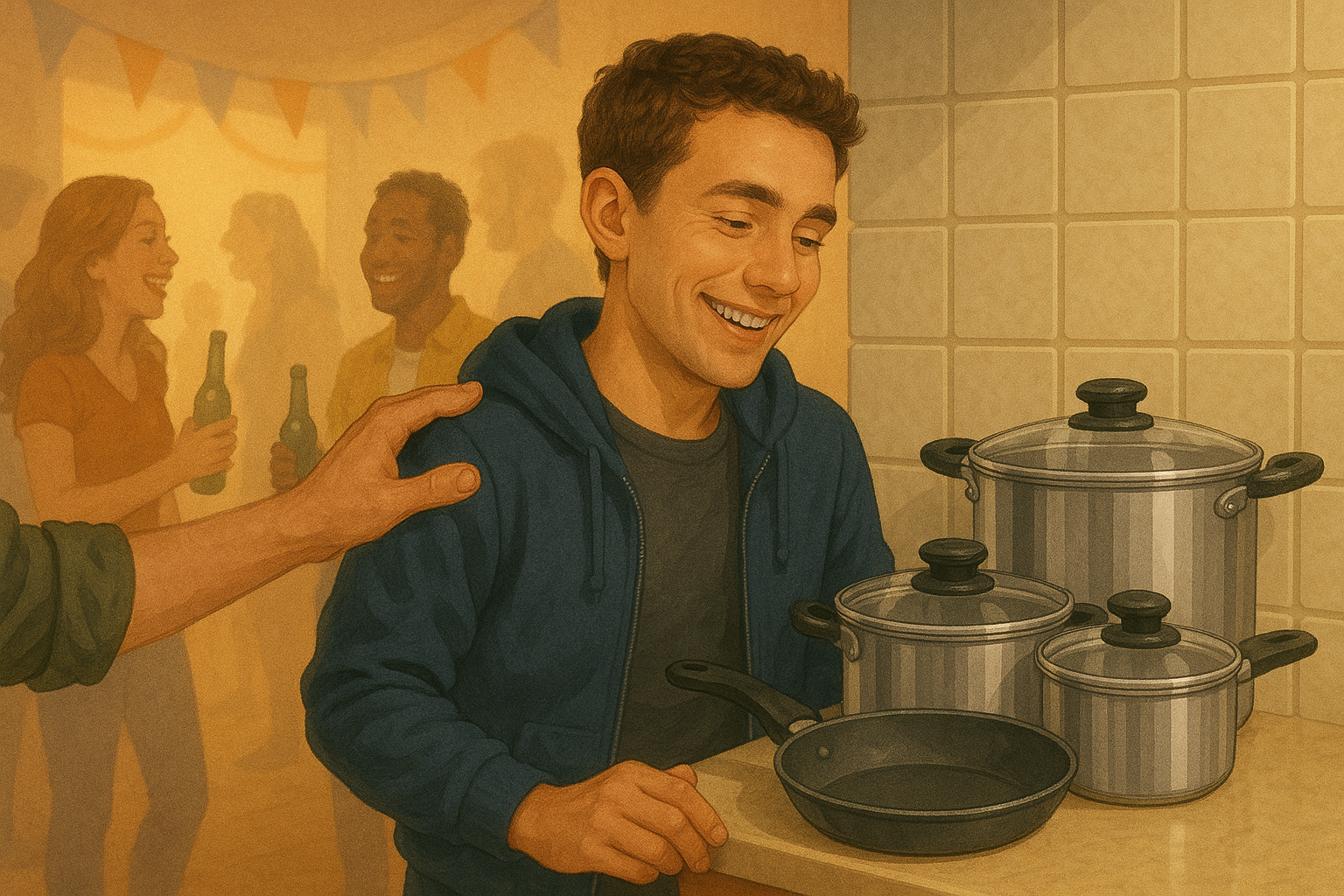
Which Sensory Perception is Most Heightened in Your POV Character?
In what ways does the character perceive experiences through their senses? One of my favorite tricks for making a scene vivid is using sounds and smells. They create so much more atmosphere than visual descriptions. In deep POV, you show how characters experience things through their own senses. Some people have a pronounced sense of…
-

How to Describe Your POV Character in Deep Point of View
What You Can—and Can’t—Reveal About Your Character’s Appearance in Deep POV When writing in Deep Point of View (POV), you’re not just telling a story about a character—you’re immersing the reader inside that character’s mind. That means everything on the page must come through the character’s perception: their thoughts, feelings, physical sensations, and limited awareness….
-

Mastering Point of View in Fiction: Switching Perspectives Without Losing Your Reader
How to Seamlessly Transition Between Characters’ Minds for Maximum Impact in Your Storytelling When introducing Serial Deep POV, it might help to clarify the distinction between Single Deep POV and Multiple Deep POV (Serial Deep POV). It’s crucial to differentiate how the two techniques affect narrative intimacy. You might also want to mention that Serial…