-

10 Creative Writing Tips to Spark Your Imagination
Tips to help you become a more confident writer Whether you’re writing poetry, fiction, or plays, creativity thrives when paired with intention. These tips will help you become a more confident, inspired, and effective writer, no matter what your experience level. 1. Write for Real People, Not Just Class Assignments Instead of imagining a faceless…
-
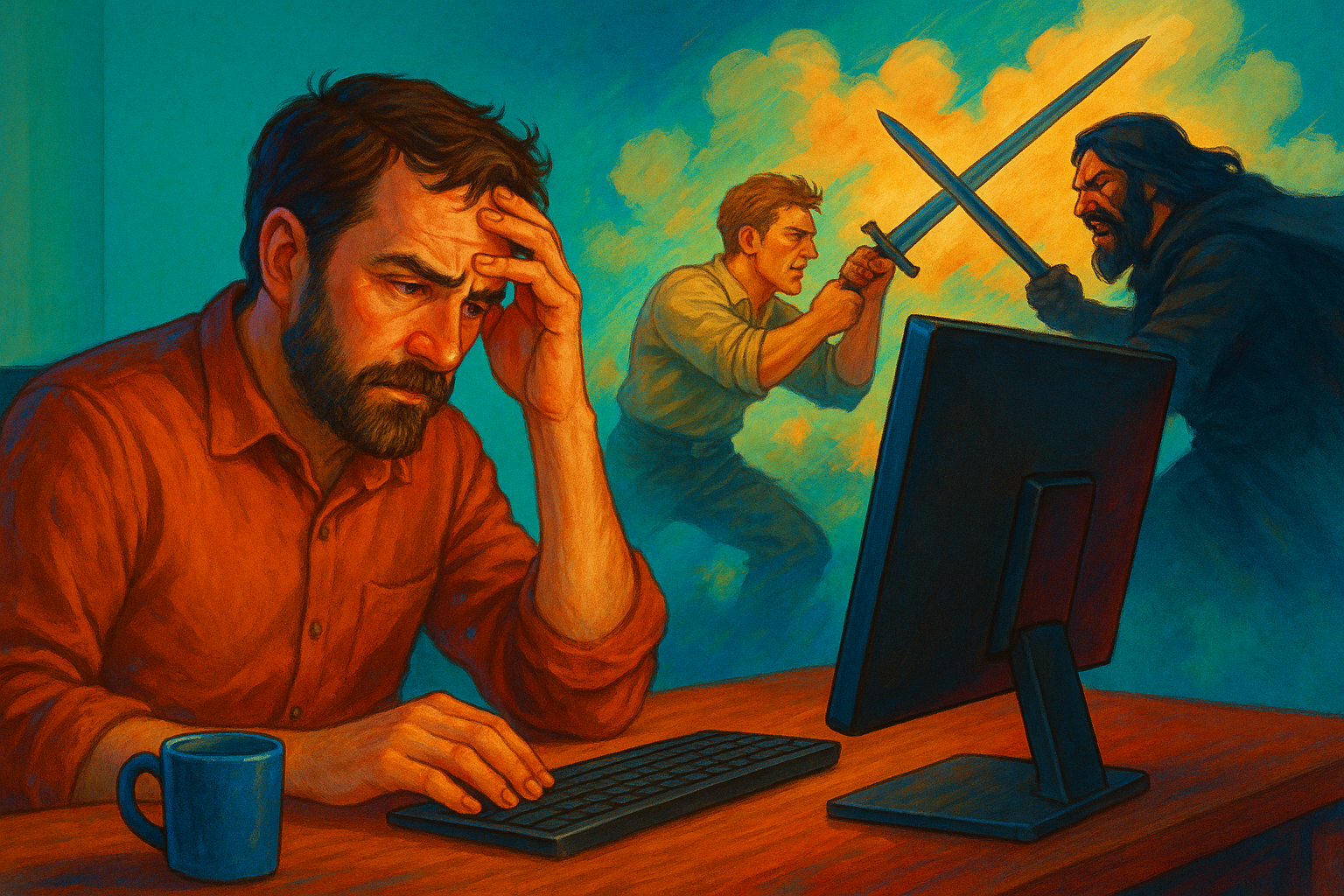
How Do You Write a Good Ending to a Story?
An ending fails if we forget someone along the way Let’s say our story has a girl and her broken doll, which never got fixed. Don’t leave out important characters who helped your main character after you’ve detailed them. There’s nothing more annoying to a reader than to be introduced to a character, then through…
-
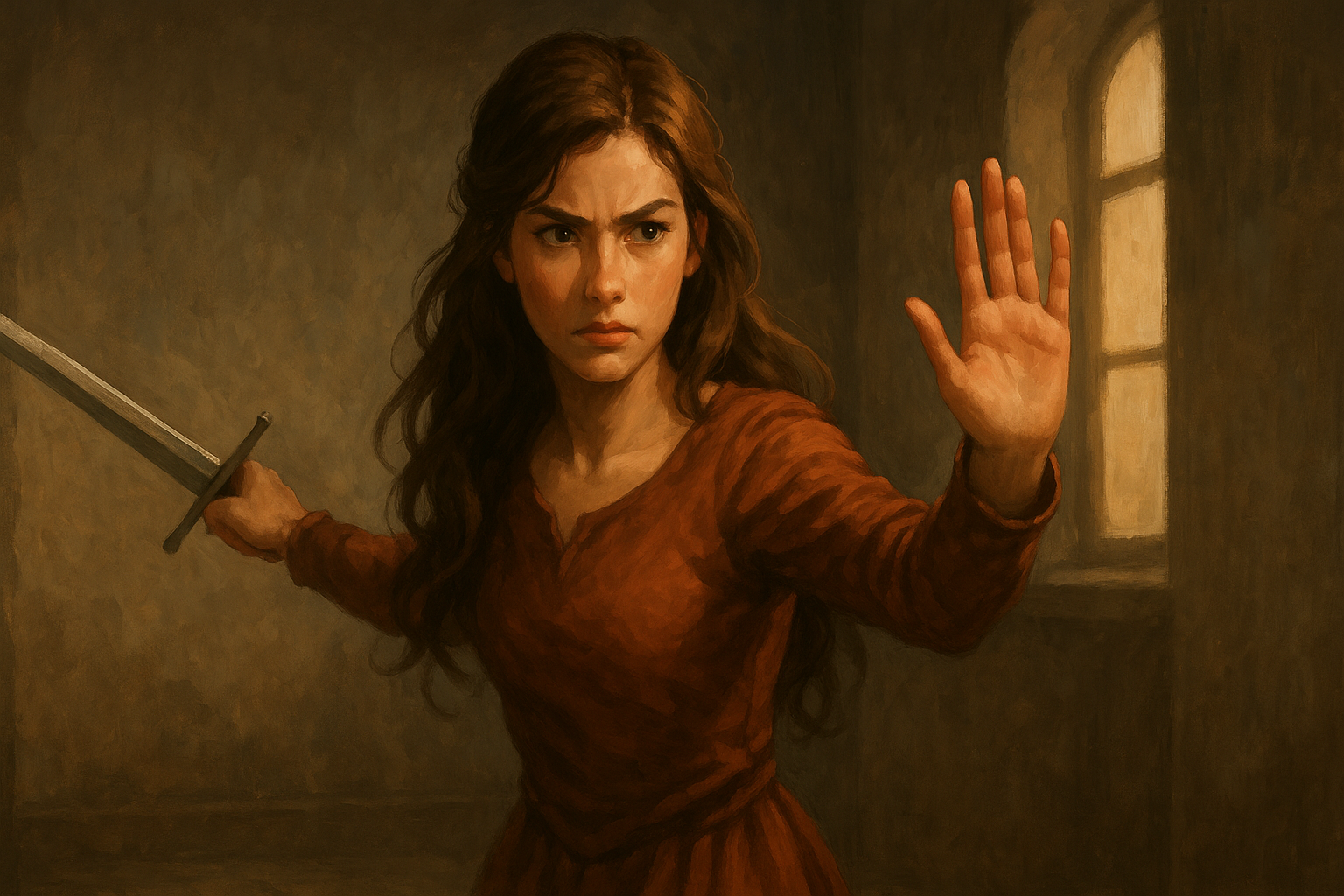
Ten Tips for Creating Memorable Characters
Readers must root for your protagonist An array of factors, including circumstances, influences, environment, emotions, beliefs, challenges, and personal preferences shape an individual character. This does not mean you have to show all these things. But it means you should know the multiple facets of your character as you write. State what the character wants…
-

The character’s Arc
The internal transformation a character undergoes A fictional character arc is the internal transformation a character undergoes over the course of a story. It charts the emotional, psychological, or moral evolution of a character as they face obstacles, make choices, and respond to challenges. In essence, a character arc shows how a character grows, or…
-
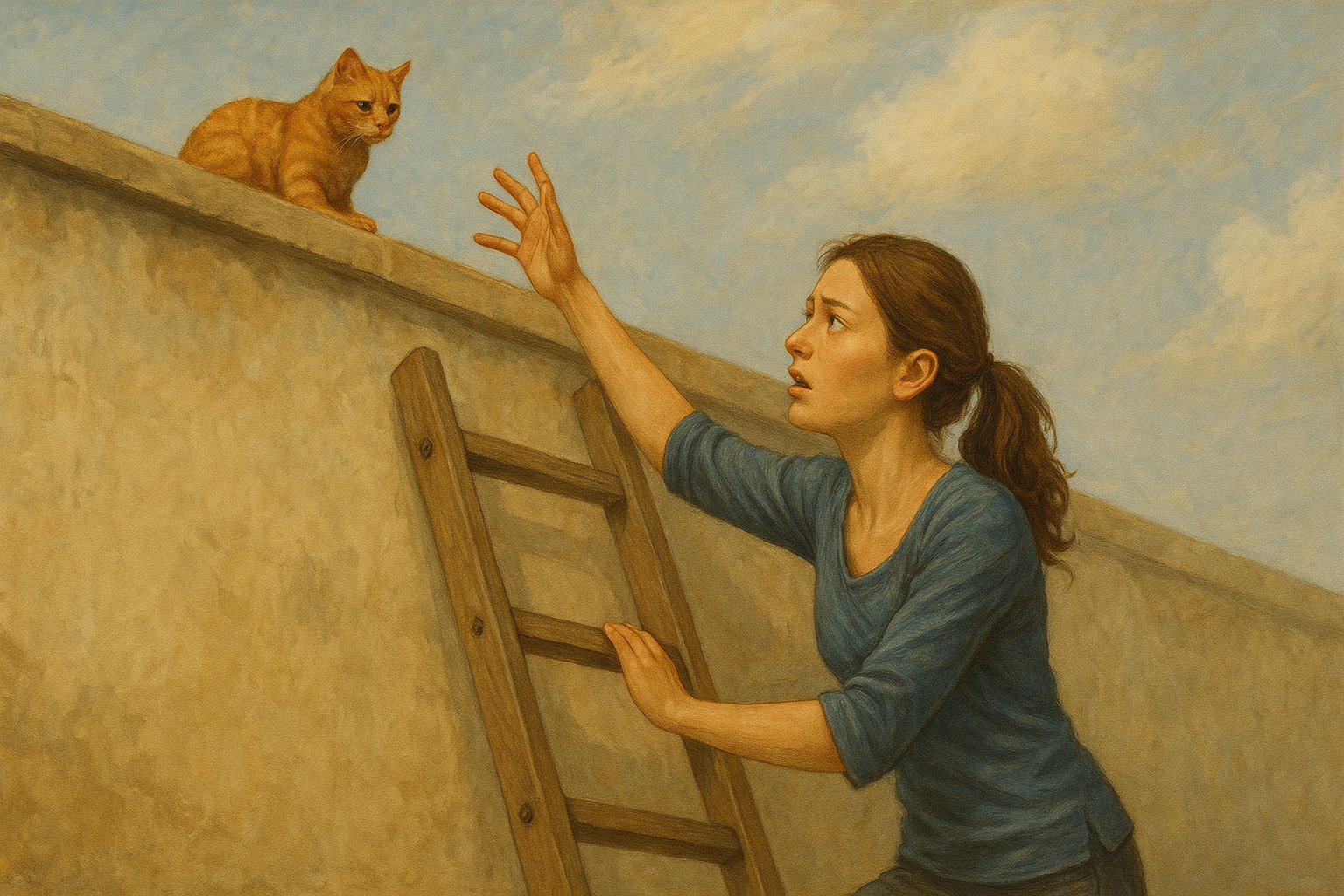
Character Flaws are Pivotal to Storytelling
Creating characters from the beginning When creating characters, understanding how flaws form and their role in the story is essential. The next step is to decide which weaknesses will plague your protagonist. As with any aspect of writing, there are many possible techniques for determining the flaws that will work best. Be Mean To put…
-

The Role of Flaws in Relationships
Creating friction amongst your characters Not only do flaws create powerful internal conflict. They will also cause strife between the hero and his supporting cast. Conflicting traits can bring out your hero’s darker qualities, while characters with opposing priorities, desires, and behaviors are sure to produce additional tension. Imagine this scenario: Dana is working hard…
-
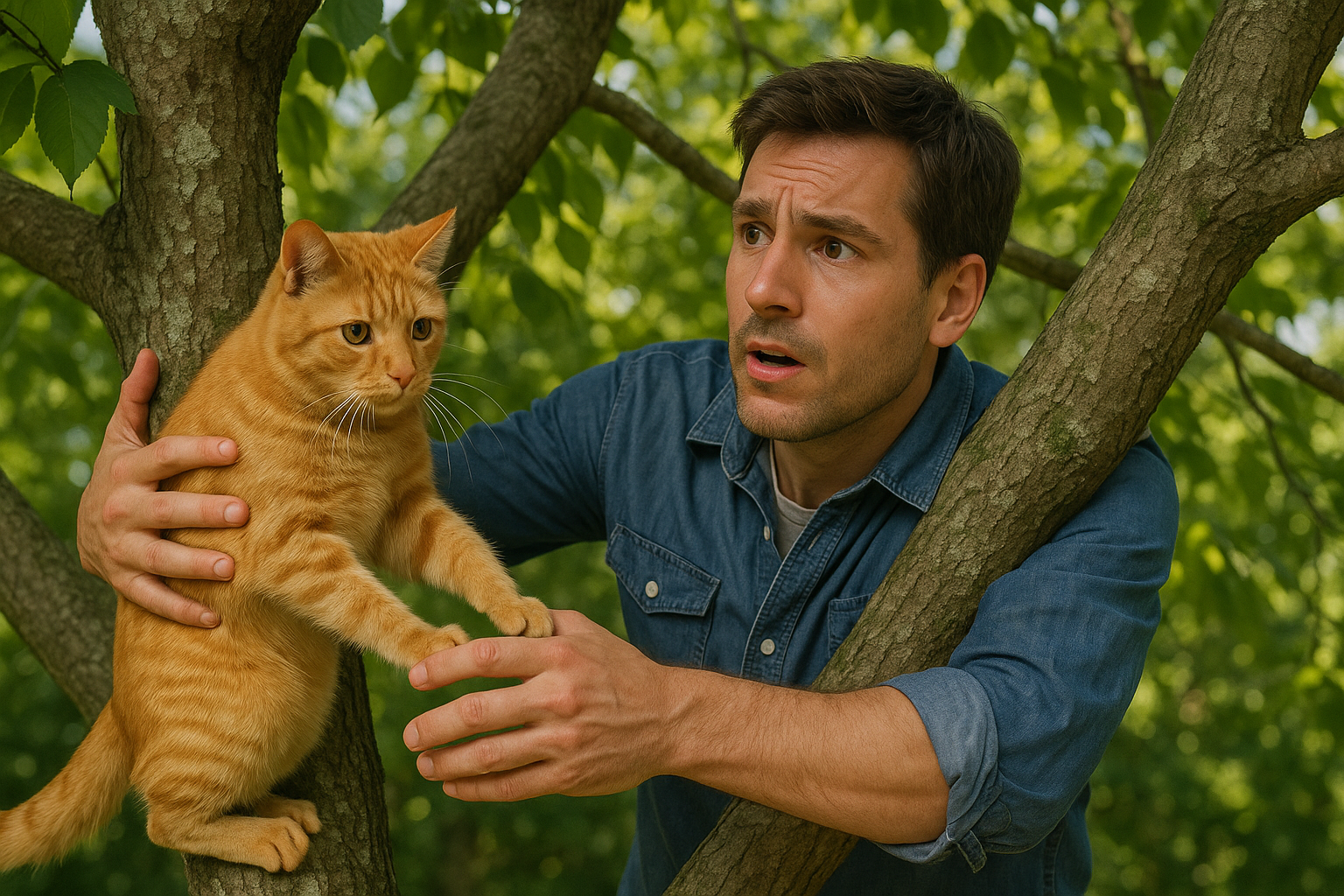
Outer Motivations and Outer Conflict
Outer motivation and outer conflict are part of the plot They deal with what’s happening on the outside, the actions, events, and goals your character pursues. An Example from my novel When Love Ends, Lies Begin: Vanessa, my protagonist’s outer motivation, is to prove her innocence after being framed for murder.Vanessa’s outer conflict is that…
-
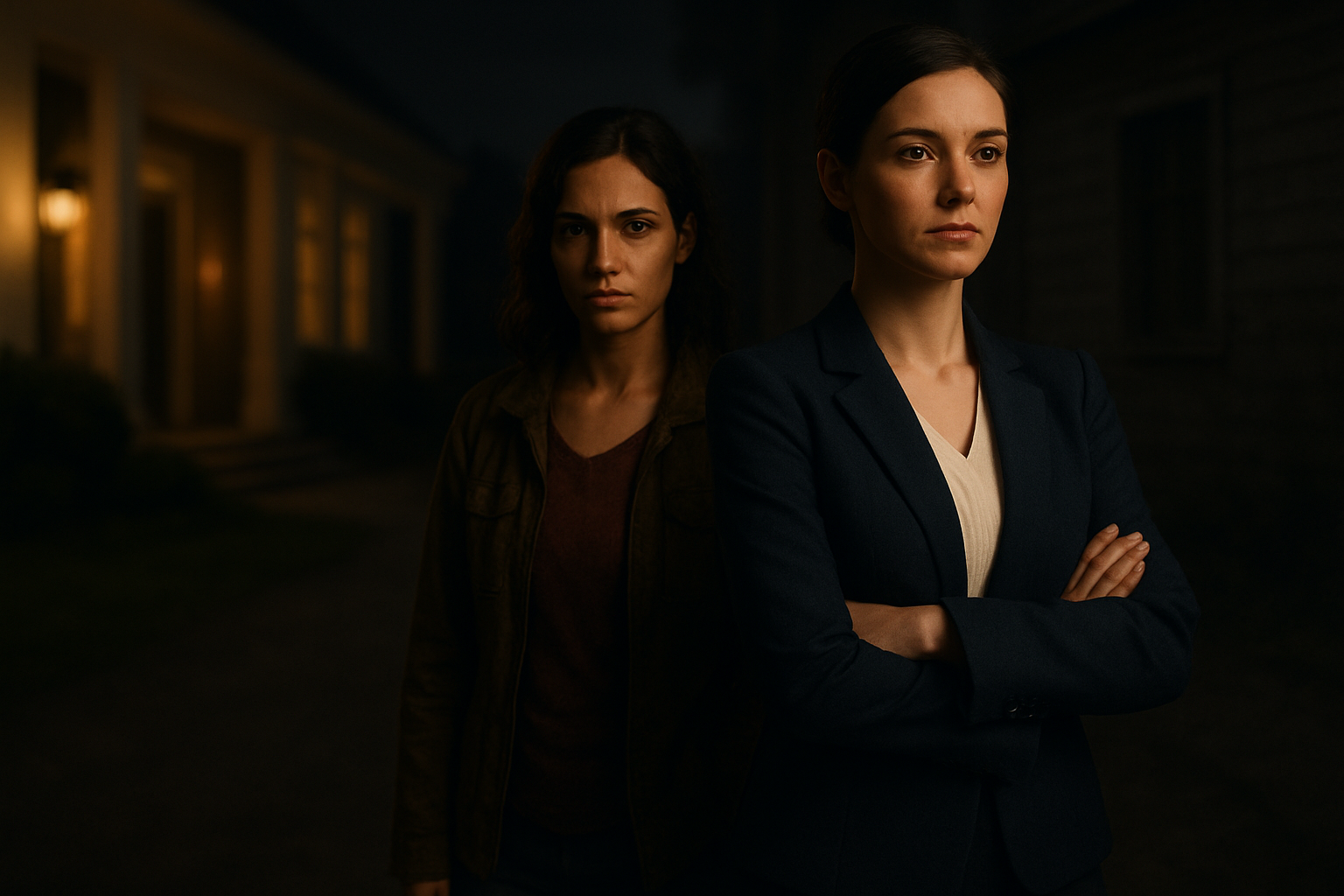
Villains and their Flaws
Striking a Balance Writing a villain (antagonist) character in your novel is no simple task. In fact, much of the story’s success lies in crafting a credible antagonist to oppose your protagonist. For there to be a hero in your story, there must be a force, usually another character, working against them. A weak villain…
-
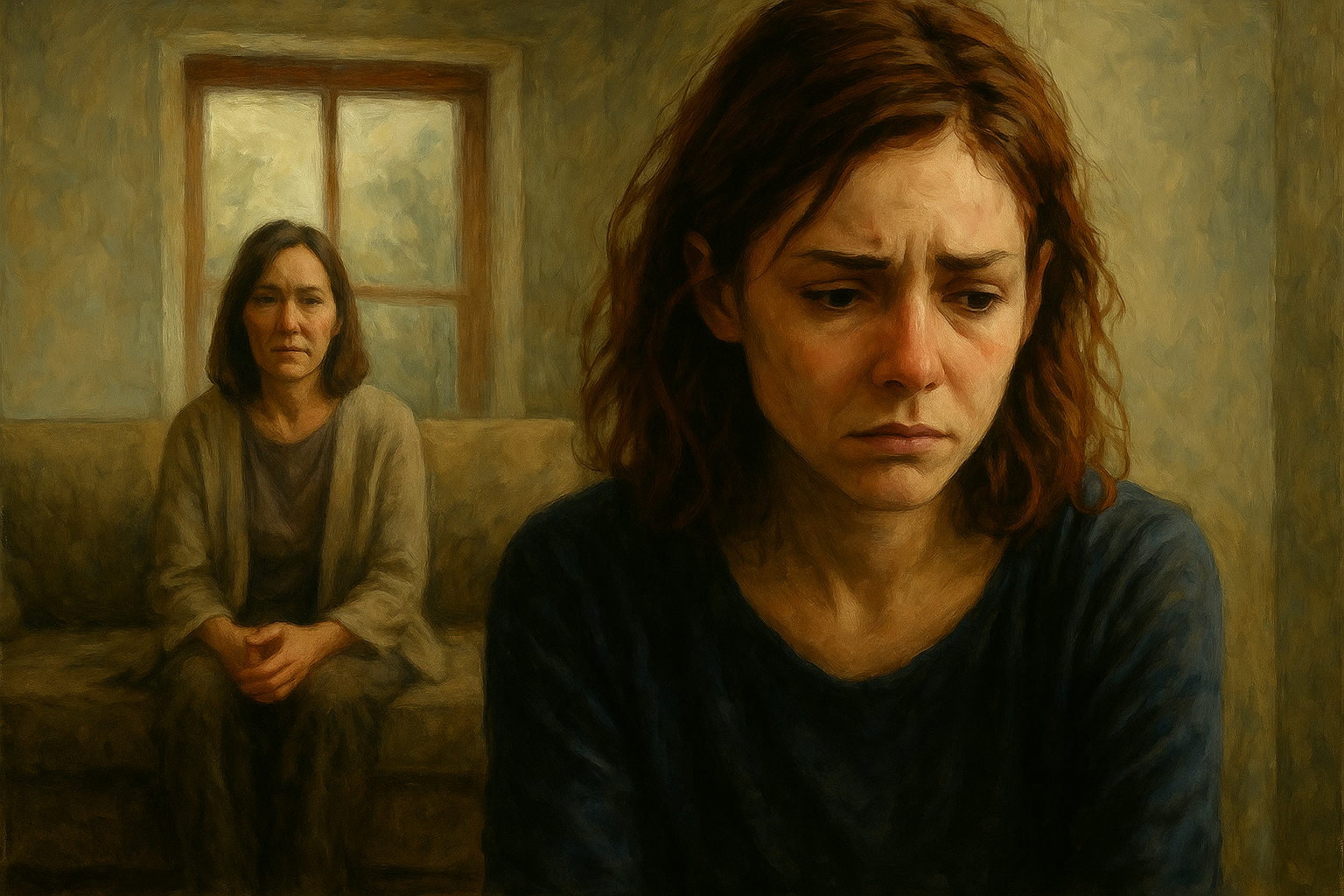
Character Traits the Wound
A Wound is the Emotional Cause People often keep wounds secret from others because the wounds conceal a lie, an untruth the character believes about himself. He may think that he deserved what happened to him, or that he’s unworthy of affection, love, or happiness, etc. The lie usually ingrains self-blame and feelings of shame,…
-

Influences on Character Strengths and Personality
Our morals shape our personality and our desires Morals act like an internal compass, guiding what we feel is right, just or acceptable. Morality is a person’s sense of right and wrong, and over time, guides our decisions and actions. A character’s beliefs determine their personality and actions. Society’s morals, culture, and role models inspire…