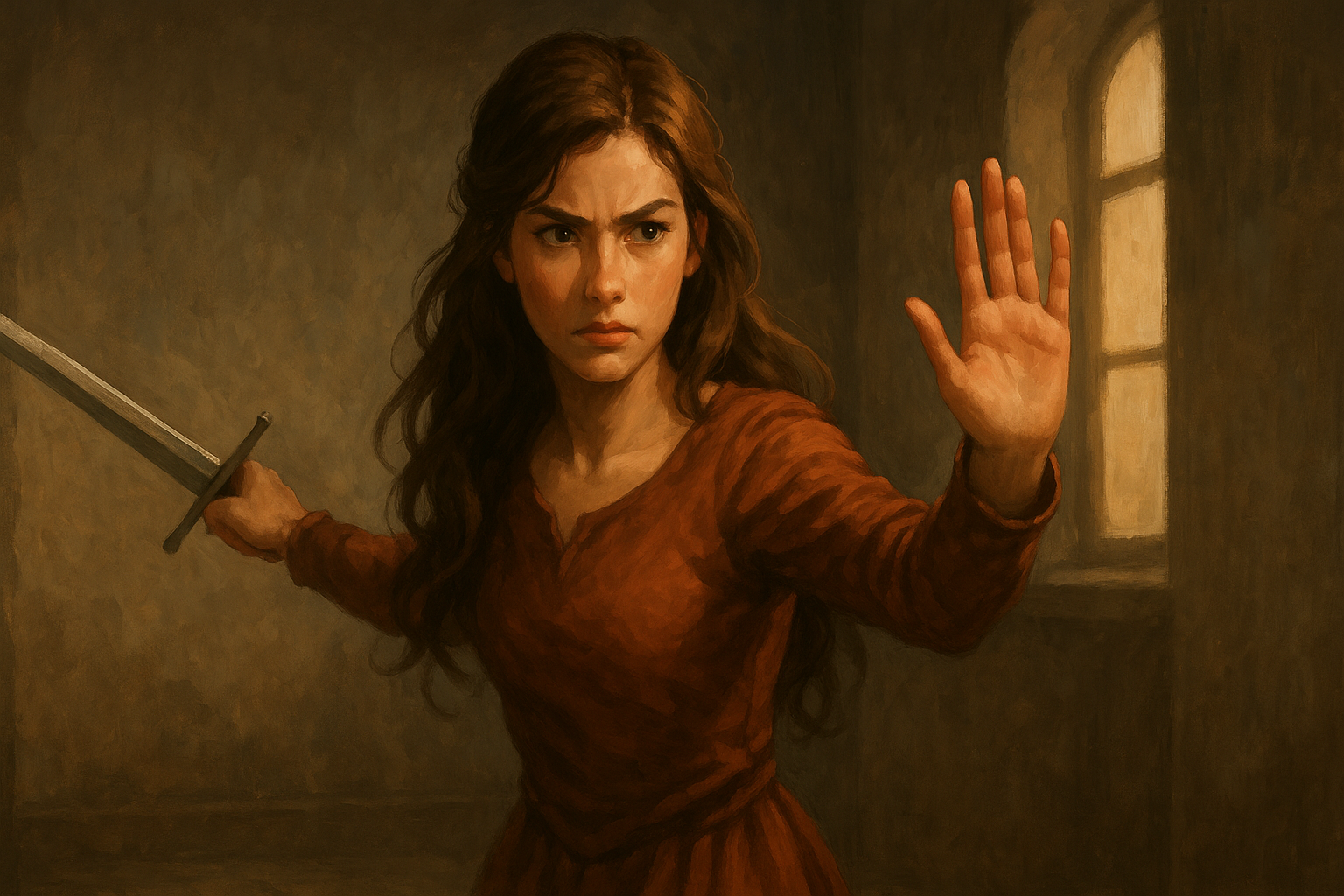
Readers must root for your protagonist
An array of factors, including circumstances, influences, environment, emotions, beliefs, challenges, and personal preferences shape an individual character.
This does not mean you have to show all these things. But it means you should know the multiple facets of your character as you write.
State what the character wants
In the beginning, the character must state what he wants to spend the rest of the story achieving. The character may state this either explicitly or implicitly.
Honor struggles
It’s the struggle, not the satisfaction, that makes us root for a character and makes a story worth reading. To do this, you must begin at the place in the story that leaves the hero room to resolve this problem.
Feature one of the four fundamental conflicts
Conflict creates drama and defines character. Without conflict, the plot does not exist. You have no story, and your character has nothing to overcome.
A character faces four basic types of conflict. Although there can be two or three kinds of conflict in the same story, one usually dominates the plot.
- Man against man. One girl is dainty, and one is a tomboy, and conflict is the name of the game.
- Man against nature. A heart attack forces a young hero to fend for himself for 52 days in the Canadian wilderness after the plane’s pilot suffers one. Once the plane is down, the reader’s motivation to stay with the story is not only to find out if the hero survives, but how he survived physically and emotionally.
- Man against society. There are two kinds of people: (socials) who have money and attitude, and don’t hesitate to use them, and greases (outsiders) who struggle to maintain their dignity in a hostile environment. It is against them.
- Man against self. Inner conflict arises from a war between conflicting desires, reaching its most interesting point when the opposing forces are equally balanced.
Portray Vivid Personalities
This task is easier said than done. Part of the secret of creating vivid personalities is to make characters courageous in their confrontations with their demons and determined in their drive to overcome the obstacles they encounter. This does not mean they are fearless. But it does mean they overcome their fear in order to step up to the plate and be counted.
Create convincing motivation
As I mentioned before, authenticity of thought, behavior and action is what makes the character come alive on the page. This concept can be honored in a complex tale about the clash between good and evil.
Reflect unspoken feelings in someone or something else
Often the author explains what a character is thinking or feeling. But this expression of that in itself should be obvious or overtly stated. Sometimes thoughts can be conveyed in subtle ways, as in the feelings of one character finding a reflection in another.
Present multifaceted villains
When most people think of a villain, they think of a thoroughly bad guy. But a singular dark and nefarious character isn’t half as interesting as a conflicted villain.
As I said before, people are not consistent. And all bad all the time, the villain is a boring villain.
Dramatized feelings
Writers often tell readers how a character feels instead of showing them. He just lay there waiting, the scrap quilt pulled right up to his shut tight eyes… All at once Toby found it hard to breathe… He tried to take short quick breath so that the quilt wouldn’t move and give them away.
All these things convey Toby’s fear without ever telling the reader he’s scared. Whether it’s joy, anxiety or sadness, find interesting ways to show the reader what the hero feels.
Create empathetic situations
The easiest way to enlist a reader’s empathy is to create situations the reader can relate to. Embarrassment, loneliness, longing, fear, happiness, relief, insecurity, anticipation, anxiety—all are universal expressions of the human condition. These feelings tap into the deepest part of a reader’s psyche, inviting her to join the hero in sharing the emotions, and two is all.
Make certain the hero saves himself
This is art, not life. The fact is, as well-intentioned or realistic as this solution might be, genuine storytelling satisfaction won’t occur unless you’re young hero learns to defend himself and confront his stepfather. Furthermore, this scene must be dramatized “onstage” for the reader, not presented as one character telling another about the confrontation. The hero must be the instrument of his own salvation.