-
Positive Traits for Fictional Characters
Creating realistic, fictional characters The process of creating believable and engaging fictional characters is a complex and challenging endeavor that requires careful consideration of various factors. Every writer should aim to craft realistic fictional characters whose stories create an emotional arc for the reader, taking them on a journey of feelings and experiences. Yet this…
-

Character Traits for Your Antagonist and Protagonist
To create conflict, explore your characters’ flaws No matter what you see on the outside, everyone struggles on the inside, even your fiction characters. Pain is a universal experience that affects everyone on their journey through life. Some experience more severe damage than others, altering how we perceive ourselves and the world. Sometimes flaws develop…
-

Why Motivation Matters Just as Much as the Goal
The protagonists and antagonists must fight for the same goal In a previous post, we’ve talked about how the protagonists and antagonists fight for the same goal. But the real tension comes from why they want it and what they’re willing to do to achieve it. This is where motivation becomes crucial. As an author,…
-

Your Antagonist and Protagonist Must Strive for the Same Goal
Conflict is the engine that powers your story forward The best stories aren’t just good vs. evil; they explore complex conflicts, especially when characters share goals but clash over values. Conflict Is More Than Just Obstruction Think of your protagonist as someone with a clear, passionate desire. Something they’re willing to sacrifice for. Justice, love,…
-
Book Publishing: Mistakes to Avoid
Never assume a literary agent will appreciate your query letter The first mistake of numerous authors, especially new authors, is assuming that a literary agent will like the query letter pitching their book. Don’t submit a query letter before you finish your manuscript. It’s important to remember that all agent’s genre guidelines are different. Check…
-
How Do You Write Fiction?
No universal formula exists When writing fiction, there is no universal formula, but all successful fiction requires a desire, a challenge, and decisive action. Compile lists of desires, obstacles, and actions to guide your storytelling. Each want has an obstacle and an action. That can get you going. Having some idea what you want to…
-

How to Write with Emotion
Without emotion, a character’s personal journey is meaningless. Readers pick up a book so that they can have an emotional experience. They want to escape the real world and become someone else. People read so that they can connect with a character that can entertain them and whose exploits may add meaning and excitement to…
-

Use Active Voice in Your Writing
Learn the Difference of Active vs Passive Voice Examine your prose to see if you’re using active voice in your sentences. If you didn’t like grammar in school, then at least learn to identify and use active voice in your writing. It will make your prose more accessible and exciting, more gripping to your readers….
-
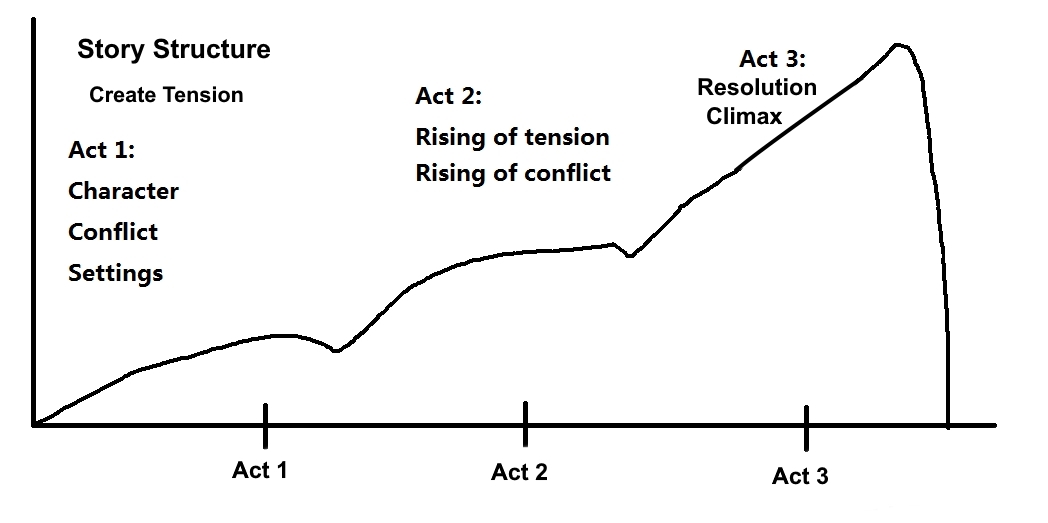
Story Structure
Think of Structure as a Series of Road Signs Posted Along Your Journey Think of structure as the rails that keep you from straying onto the meandering path that can so often lure a writer from the correct course of the story. Structure creates the underpinning of the book. Without it, narratives have no form,…
-

Point of View
Clarify the difference between single and multiple viewpoints Before you write your story, it’s important to clarify in your mind the difference between single and multiple viewpoints. A tale told from a single point of view is when you only tell the story from one person’s perspective. That person’s eyes, heart, and mind filter everything….